On 25 October, The New York Times published "Maybe We All Need an A.I. Wife." It profiled Marissa Mayer's new photo-reading assistant, Dazzle, with examples like gift ideas, party themes, outfits and a note about her daughter. The piece described it as an emotional labour bot.
The backlash was quick. Elena Verna wrote the line that went everywhere: "When we talk about men and AI, we so often imagine what they might create. When we talk about women and AI, why do we keep coming back to what they might manage?"
I agree with her. But I think both sides are asking the wrong question.
Everyone is debating what women want from AI. Women already know what they want. The real question is why so many of us don't feel allowed to use it, and that is what this post is about.
The short answer: it's permission, not interest
If women simply weren't interested in AI, the numbers would look very different.
In India, the Nasscom and BCG report (2024) found:
- 90% of women see GenAI as pivotal for career growth
- Only about a third feel prepared to use it
- GenAI adoption among Indian women (80%) was slightly higher than among men (76%)
- Women in non-tech roles use it daily more often (31% vs 25% in tech roles), yet feel less prepared (31% vs 37%)
So Indian women are using AI. We just don't feel ready, or entitled, to call ourselves good at it.
What actually holds women back
The same report lists the barriers. Read them carefully, because only one of them is about the technology:
- Limited knowledge (38%)
- Fear of competence scrutiny by managers or peers (28%)
- Limited access to approved GenAI tools (22%)
Globally, the pattern holds. A Harvard Business School working paper pooling 18 studies of more than 140,000 people found women are about 20% less likely than men to use generative AI, and that equalising access alone did not close the gap. Berkeley Haas reports women had less confidence in their ability to use these tools, were more likely to view AI use as cheating, and worried more about being penalised professionally.
That is not a "women want shopping bots" story. It's a story about who feels watched.
Why I started The AI Sisterhood Podcast
I'm an AI educator and 1:1 mentor, and for a year before the first episode, The AI Sisterhood was my dream. Every Saturday I sit down with a woman who is building in AI and ask her to tell me the truth about how she is actually doing it.
I started it because women are still badly under-represented in AI, and yet the women I keep meeting are extraordinary. They ship products, lead teams and start companies. I wanted every woman listening, especially here in India, to see herself in them.
When I went back through nine episodes, not one guest said she wasn't interested in AI. They talked about confidence. Perfection. Permission. Here's what they said, in their own words.
"Don't feel like it's good enough"
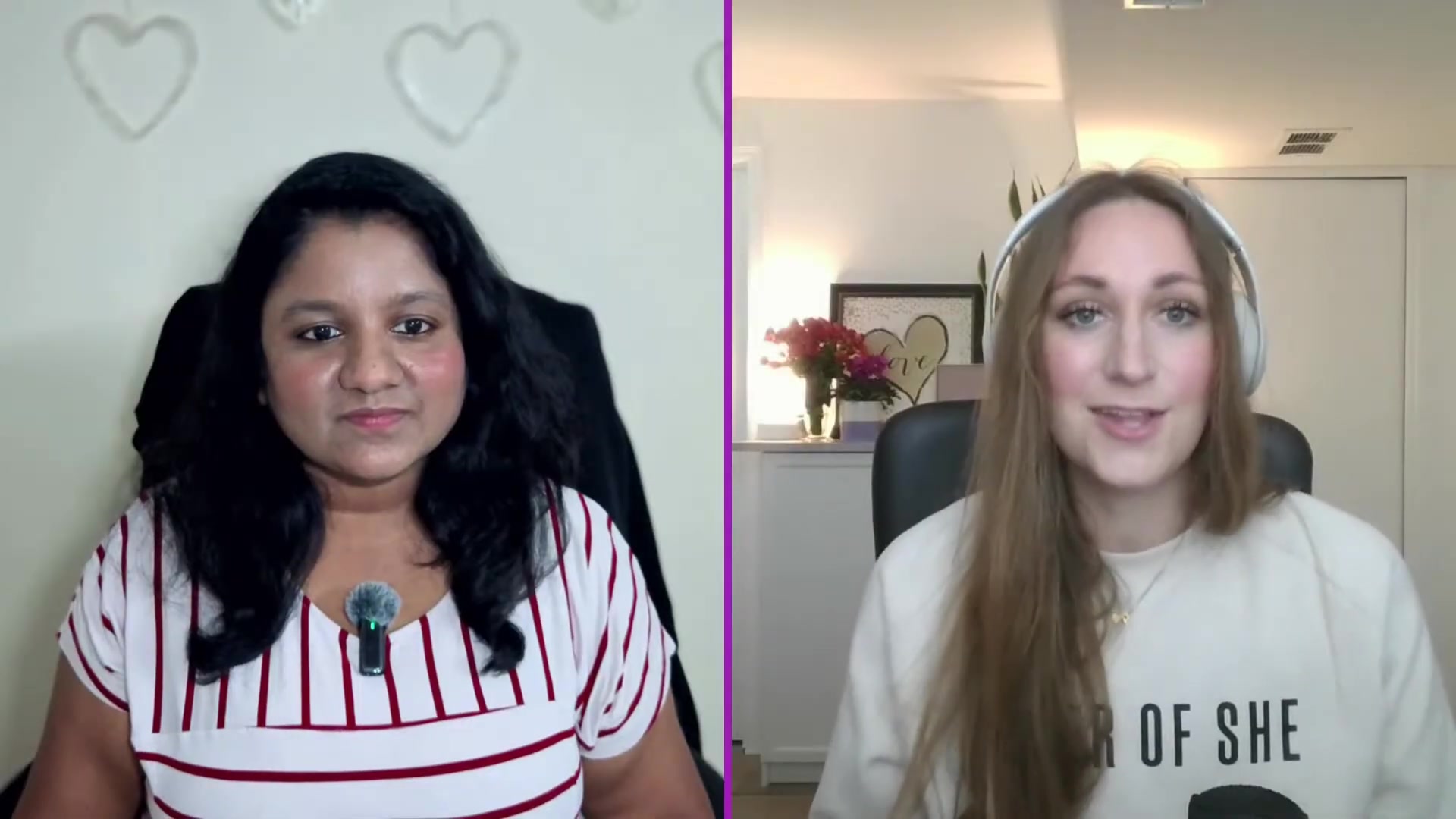
Jena Zangs, a data leader on her way to Chief AI Officer and founder of Women Build the Future, told me why she started showcasing women builders:
"I know there are more women than what they are saying out there that are doing these main things and maybe just don't have the confidence or don't feel like it's good enough. I hear that a lot with women when I'm talking to them."
She also named the root cause: "I think women are conditioned to be perfect all the time." Her answer, from weightlifting, is that "in AI right now, you need to fail to learn."
Listen: From Data Leader to Chief AI Officer, Ep. 4 with Jena Zangs
Perfection is the enemy of learning AI
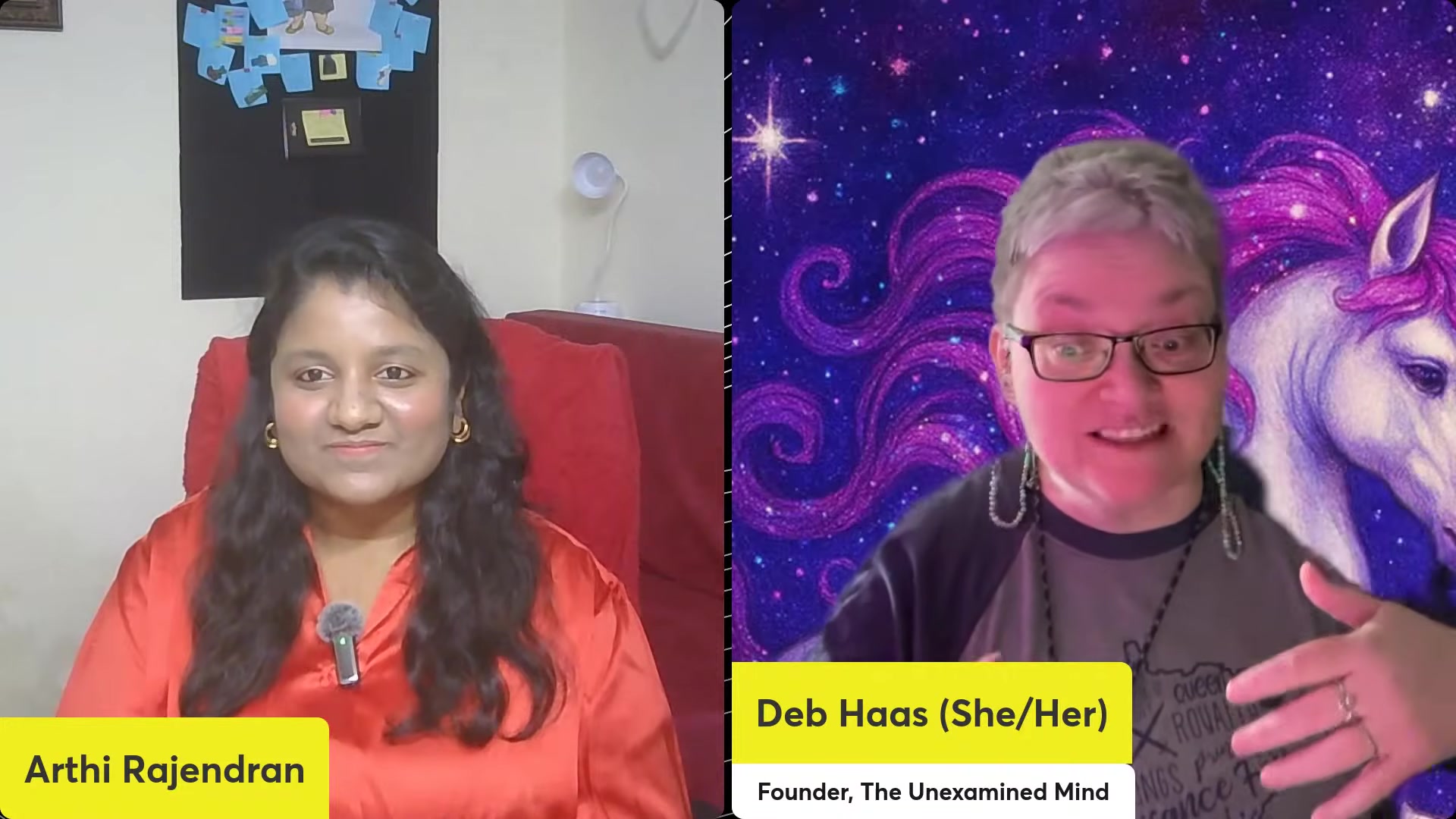
Deb Haas was laid off after 24 years and rebuilt her career with AI. She explained why workplaces make us afraid to experiment: "We've created companies where if you mess up, you get dinged for it."
"If you can only do it perfectly, the results always have to be perfect the first time, then you're not going to get anything."
Her fix is beautifully simple: "Embracing stupid questions. Because I ask stupid questions of AI all the time." The AI is not judging you. That fear of judgement (the 28% in the Nasscom data) is the thing to unlearn.
Listen: Laid Off After 24 Years. Here's What She Built., Ep. 1 with Deb Haas
"I'm not technical" is no longer a reason
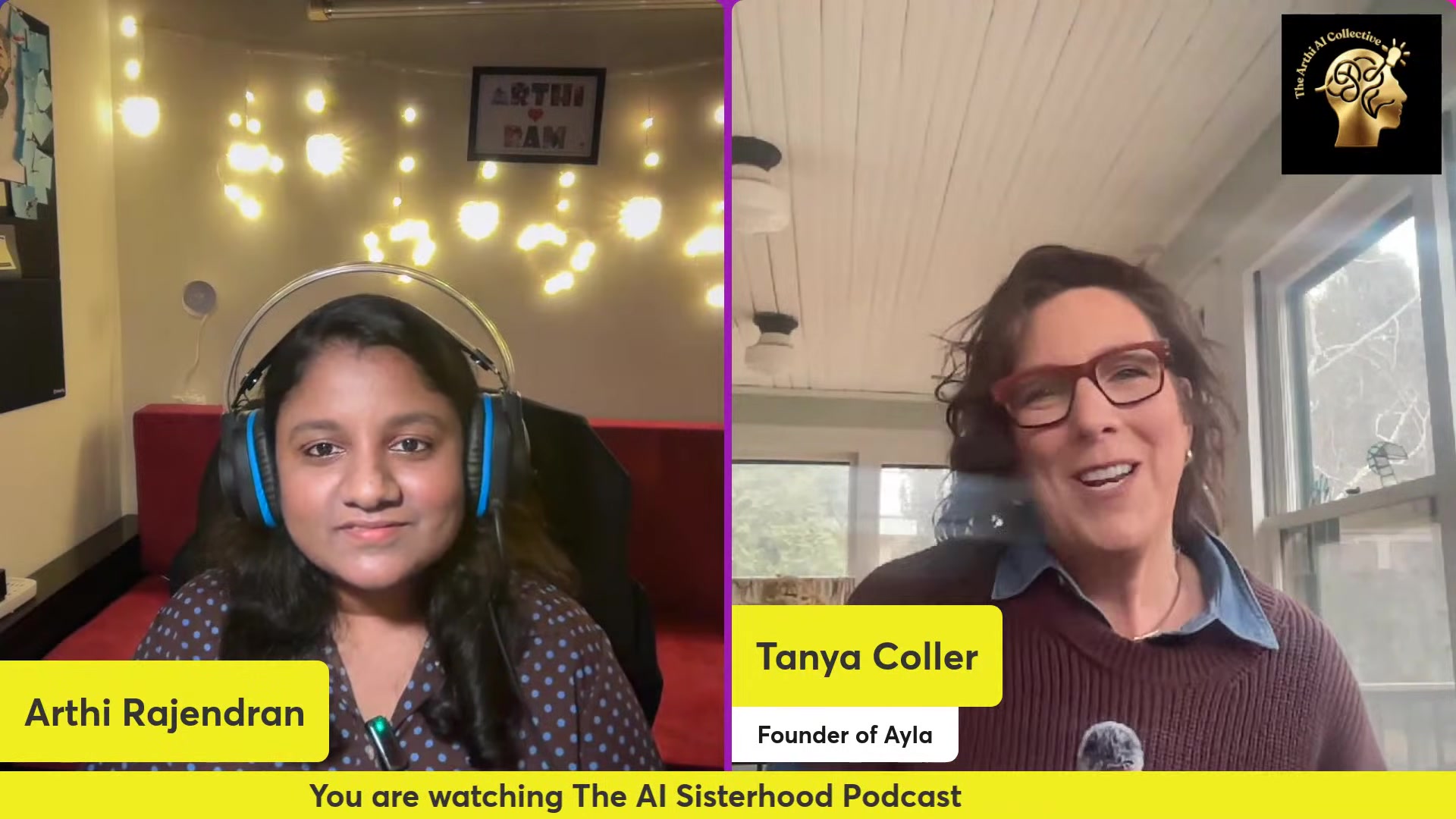
Tanya Coller has "never written a line of code" and builds AI products anyway. She runs workshops for women of her generation who grew up being told tech was not for them:
"I'm not technical. I don't build. You can. You can now."
She has seen many women "open up whole new career path for themselves. Because they're building their own apps."
Listen: How to Build AI That Actually Feels Human, Ep. 2 with Tanya Coller
The backlash underestimates women too
Here is where I part ways with the critics.
When people mock "AI for gift lists and party themes," they quietly agree that running a home is small work. It isn't, and pretending otherwise doesn't help women.
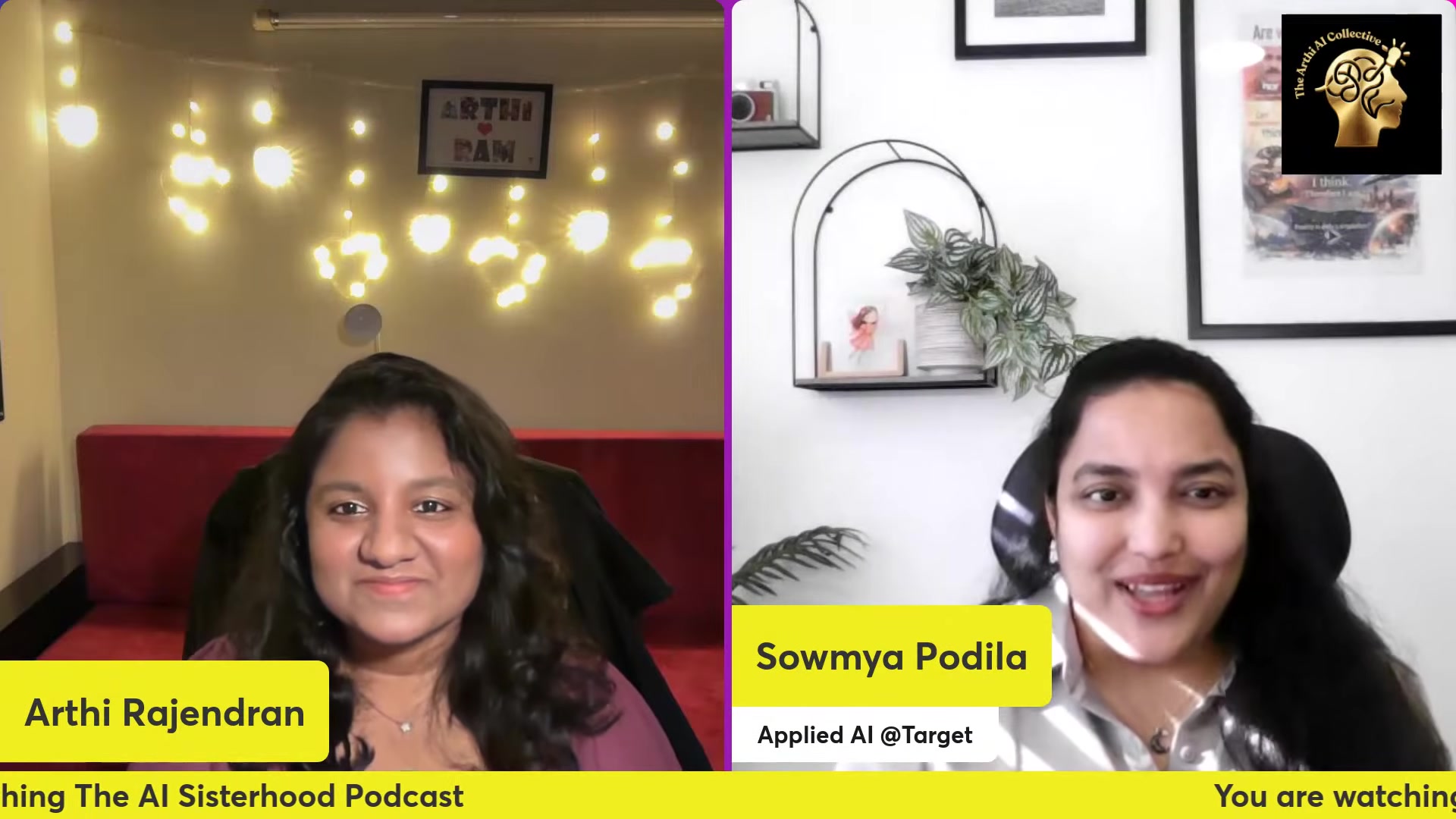
Sowmya Podila is a senior AI scientist and a new mom. She refused to pretend she does it all:
"A lot of things naturally still fall onto the women's plate, be it house management or nurturing the kid, feeding the kid. There are a lot of things that still are on women's plate that cannot be completely taken away. So it's definitely more than a full-time job."
For many women in India, that load is very real. So use AI for the meal plan and the school WhatsApp group. And use it for the business plan, the code and the promotion case. The NYT's mistake was not showing women managing. It was showing only that.
Listen: New Mom. Senior AI Scientist. Content Creator., Ep. 3 with Sowmya Podila
"You don't need permission to start"
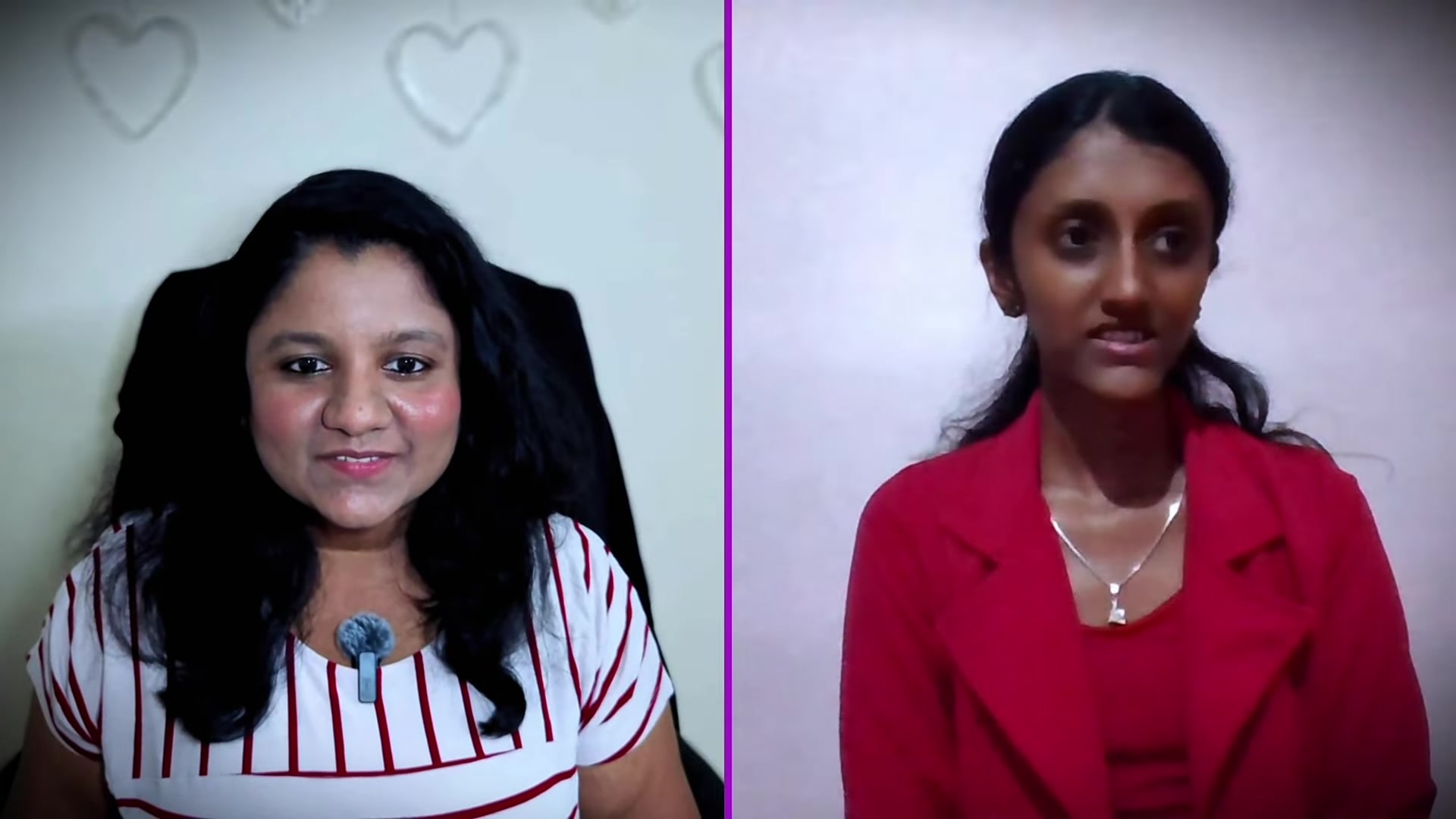
Rakshitha built a production AI CRM as a solo founder in four months. When I asked what she'd tell a woman sitting on an AI idea, she said:
"Don't wait for the perfect moment. Just start. Start with what you have, where you are."
And then: "To every woman listening, you don't need permission to start. You don't need to be perfect."
Listen: How to Build a Production AI CRM in 4 Months, Ep. 5 with Rakshitha
How to close the gap, starting this week
This is what I see work in my 1:1 mentoring, again and again. The women who grow fastest are not the most technical. They are the ones who give themselves permission first.
- Use AI openly. Pick one real task at work, do it with AI, and tell one colleague how. Visibility kills the "cheating" feeling.
- Ask the embarrassing questions. Three a day. Deb is right: the AI is not judging you.
- Ship something imperfect. A prompt library, a small app, a workflow. Done beats perfect.
- Ask for approved tools. If 22% of women lack access, raise it with your manager or HR. That is a fair ask, not a favour.
- Find your room. Learning alongside other women changes everything. That's why the Sisterhood exists.
If you want a step-by-step plan, start with my 90-day AI roadmap for non-IT professionals. If you are comparing options, read my honest guide to the best AI courses in India.
You don't need an AI wife
You need a little permission, a lot of practice, and people in your corner.
If you'd like a mentor to walk the path with you, explore the programs at The Arthi AI Collective. Not sure yet? Join our free WhatsApp AI community and learn out loud with us. And catch every episode of The AI Sisterhood Podcast.
Consider this your permission.